
Extension Today
News from and about the 1890 Land-Grant Extension SystemMessage from the Chair

Dr. Raymon Shange, 1890 Extension Administrator, Tuskegee University
One of the gems of the Cooperative Extension System in general, and noted specifically in the 1890 region in this issue, is the many workforce development initiatives that drive impact in rural and urban spaces. These projects include student internships, community health worker training, agribusiness support, digital literacy and reentry programs.
With a trusted community presence, statewide infrastructure and networks, and research-based approaches, our system is uniquely equipped to upskill our current workforce and partner with organizations such as the 4-H Council to ensure that the next generation is Beyond Ready for the future workplace.
Through partnerships, hands-on learning and technical assistance, our universities aim to empower rural communities, foster entrepreneurship and create sustainable career pathways for students and local business owners.
Creating job possibilities with PREP
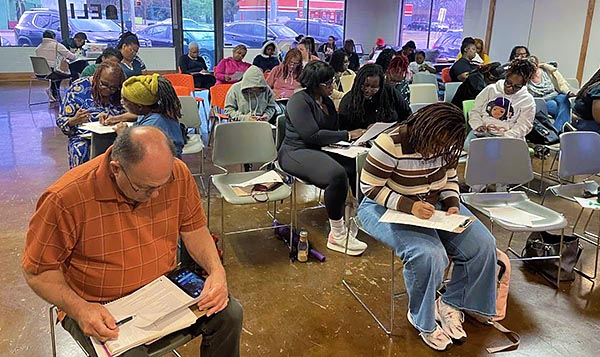
Although Alabama’s unemployment rate is 3.2% overall, unemployment in some counties is as high as 7.7%. This is due in part to poverty, limited job opportunities, poor infrastructure and a lack of important services such as affordable childcare and healthcare. While Alabama’s public and private sectors work to resolve these issues, programs like Alabama Extension’s Promoting Readiness for Employment Possibilities can make a difference.
PREP is a workforce development program that teaches people how to apply for jobs, prepare for interviews, develop resumes, find enjoyable employment and use valuable soft skills. In addition, PREP has hands-on exercises that help participants with existing jobs develop a career plan for future career changes.
2025 impacts
In 2025, the program reached 1,355 adults through a variety of educational activities. At least 93 participants completed either one-hour standalone lessons or a four-lesson series. Results from a delayed post-assessment conducted one to three months after program participation demonstrated sustained behavior change among 31 participants.
- PREP participants reported adopting positive practices that support long-term impact in searching for and securing jobs. Specifically, 28 (89%) used skills learned in the program to select appropriate clothing for interviews, and 26 (85%) used newly acquired skills to answer job interview questions effectively.
- Also, participants demonstrated improved job search skills, with 23 (73%) completing job applications and 21 (69%) revising their resumes to fit specific job positions. Customizing resumes for a particular job increased their chances of being hired.
Workforce development education can lead to gainful employment in today’s job market.
Workforce development program prepares incarcerated individuals for reentry through employment readiness
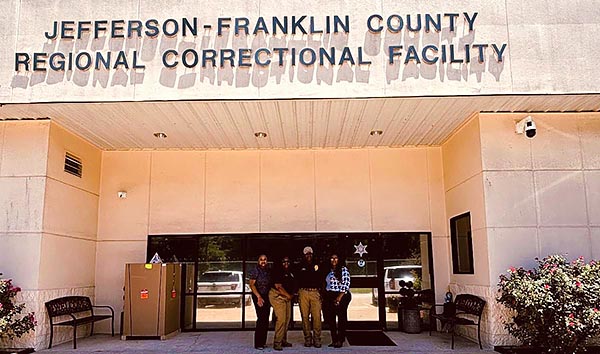
For 25 people preparing to leave a Mississippi correctional facility, workforce preparation will begin months before their scheduled release.
The Alcorn State University Extension Program has partnered with the Mississippi Department of Corrections to launch Pathway to Success, a 12-week workforce development program for incarcerated individuals within six to 12 months of release.
The program combines workforce preparation with individualized support to address some of the barriers participants may face when returning to their communities. Those barriers can have lasting consequences. According to the 2026 Corrections and Criminal Justice Oversight Task Force report, the overall recidivism rate among Mississippi parolees is 24.6%, with more than half of recidivism occurring within the first 12 months after release.
Pathway to Success begins with comprehensive needs assessments for each participant. The assessments identify individual strengths, barriers and workforce readiness needs and are used to develop plans based on each participant's circumstances.
Dr. Heather McMillan, DSW, community resource development specialist with ASUEP, said the individualized approach is an important part of preparing participants for life and employment after incarceration.
Weekly sessions cover employability skills, communication, goal setting, problem-solving, professional behavior, financial literacy, conflict resolution and other skills that can affect success in the workplace and community.
By the end of Pathway to Success, each participant will have a professionally developed resume, personalized cover letter and additional workplace readiness skills to use when seeking employment after release. Some participants may also be eligible to earn time credits toward their sentences for completing the program, subject to MDOC policies and eligibility requirements.
From training to community impact: Community Health Worker program empowers workforce
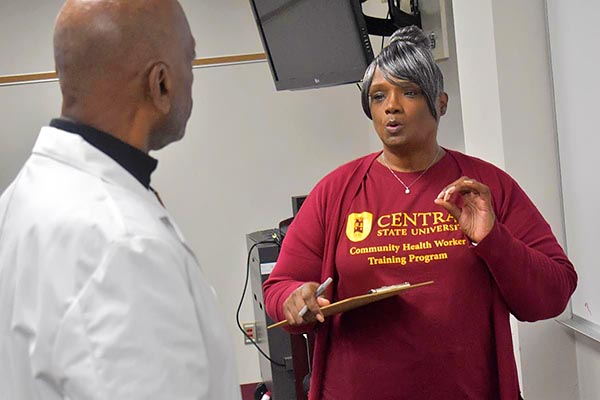
For Denise Chattams, workforce development was about more than earning a credential. She wanted practical knowledge and skills to better serve families, improve health outcomes and connect people with resources. She found what she was looking for through Central State University’s Community Health Worker Training Program.
Chattams participated in CSU’s 2025 CHW cohort. Today, she is putting that training to work as a CSU Extension family and consumer sciences educator serving southwest Ohio.
“I chose Central State University’s Community Health Worker program because it aligned with my passion for serving families and improving health outcomes in my community,” Chattams said. “The program gave me the knowledge, skills and confidence to connect individuals and families with resources, address social determinants of health and advocate for their needs.”
Her experience illustrates how workforce development can build community capacity by preparing people to address challenges where they live and work.
Led by Renita Porter, CSU’s CHW program is a 13-week hybrid instruction with hands-on community experience. Participants learn about health disparities, chronic disease prevention, communication, cultural competency, health education, advocacy and community resources. After completing an oral performance assessment, participants move into a 130-hour community-based practicum.
The program has completed four cohorts, with the most recent enrolling 34 participants and 30 continuing through the program.
“Community Health Workers fill a unique gap. They understand the communities they serve, they build trust and they help people navigate systems that can sometimes be difficult or overwhelming,” Porter said. She added, “We are training people who can become trusted bridges between residents, healthcare providers, social-service organizations and community resources.”
Building workforce skills through digital literacy, economic opportunity
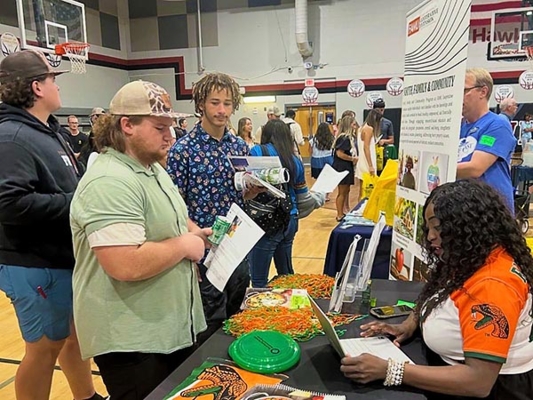
Florida A&M University Extension’s Community Resource Development program is helping individuals build the knowledge, confidence and digital skills needed to succeed in today’s workforce and strengthen their communities. Through workforce development and digital literacy education, participants gain practical skills that help them pursue employment, entrepreneurship and community engagement with greater confidence.
CRD workshops teach participants how to search for employment opportunities online, identify open positions, complete job applications, create and update resumes, set up and use basic email accounts and use smartphones to search for and apply for jobs. These essential digital skills help reduce barriers to employment and increase participants’ confidence in navigating today’s technology-driven job market, strengthening their ability to move toward employment.
In addition to workforce preparation, CRD provides education and guidance for individuals interested in entrepreneurship and community development. Participants learn about establishing Limited Liability Companies and 501(c)(3) nonprofit organizations, creating pathways to turn ideas into businesses, organizations and community initiatives.
By connecting digital literacy, workforce readiness, entrepreneurship and community development, FAMU Extension CRD helps individuals pursue new opportunities while building stronger, more economically vibrant communities with lasting impact.
Extension expands GAP training for farmers, gardeners
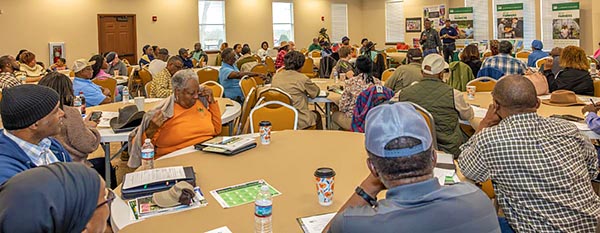
Good Agricultural Practices are a key standard for ensuring the safe production of field-grown crops while supporting workforce development through food safety training and skill-building, says James Brown, Ph.D., a Fort Valley State University professor and program leader for agriculture and natural resources.
According to Brown, reports have shown that many farm-grown crops for consumption have caused human health problems due to a lack of GAP initiatives to reduce contamination. Therefore, federal and state governments have instituted guidelines to help alleviate malpractice by farmers and gardeners who intend to grow and sell crops for public consumption. Federal guidelines allow growers to sell edible crops with annual sales under $25,000, but growers remain liable if their produce causes illness or injury.
To combat this issue, FVSU received the United States Department of Agriculture GAP certificate on Aug. 12, 2020, for blueberries, grapes and persimmons.
“The intent is to train interested farmers and gardeners in Georgia on how to become prepared to receive their GAP certificates to promote this good health practice throughout the state and beyond,” Brown said.
FVSU Extension is already in training to extend the GAP initiative to as many interested farmers and gardeners as possible. In 2022, seven farmers received GAP training and their certificates. To date, approximately 30 clients have received their certificates.
Georgia muscadine farmer Dr. Dalene Williams has benefited from FVSU’s GAP training. Extension assisted Williams, who has approximately 5 acres, in purchasing the necessary equipment and items to meet the required standards. As a result, Williams has added a mobile winery to her muscadine operation, increasing her clients and financial returns.
From training to employment: Building Louisville’s green workforce
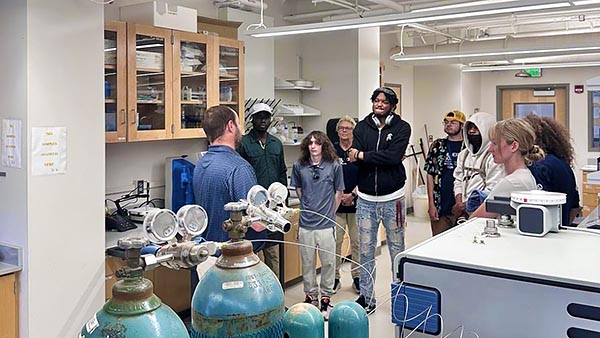
A new Kentucky State University Cooperative Extension initiative is creating a direct pathway from hands-on training to employment for adults in Louisville.
Supported by a $200,000 AgriProspects Workforce Development Network grant, Kentucky State and Louisville Grows are developing a 12-week paid training program focused on landscaping, urban forestry, agriculture and land management. Recruitment will concentrate in west Louisville when feasible, reaching adults seeking employment, stronger occupational skills or a career transition.
Participants will train three days a week through a learn-by-doing model, practicing skills in field settings and observing professionals at work. Training will cover landscape management, tree planting and care, urban and community forestry, orchard establishment, invasive species control, soil and tree health, land stewardship and urban agriculture, along with workplace safety, communication and teamwork.
Paid participation is designed to make the intensive training schedule more accessible and support consistent attendance. Graduates will earn a certificate documenting their competencies, while Louisville Grows works with businesses, municipal departments, nonprofits and other employers to establish entry-level opportunities.
Kentucky State’s agriculture and natural resources specialists will provide technical instruction, while community resource development specialists will contribute workforce preparation, credentialing, communication and professional skills.
An early pilot is helping Extension specialists and community partners refine the curriculum. Over two years, the project will track completion, skill development, credential attainment, employer feedback and job placement, while developing a training model that other 1890 Land-grant Universities could adapt.
Building digital skills, strengthening rural economies
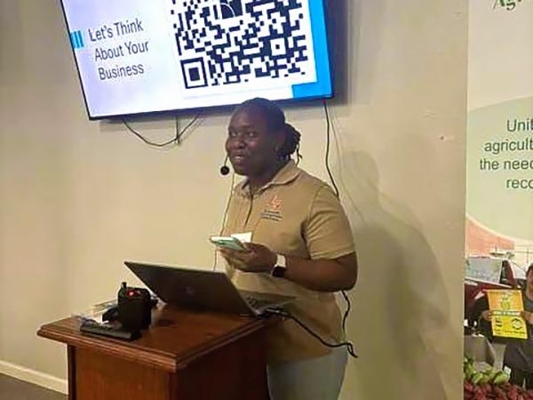
In rural southeast Oklahoma, workforce development is more than an abstract policy goal. It is where the rubber meets the road as agriculture and small-business owners develop a marketing plan and new business owners and producers understand brand awareness and online presence.
Through the work of the Langston University Cooperative Extension and Outreach Program, Shannon Giscombe Briggs, agribusiness research Extension associate, meets producers, entrepreneurs and community members where they are and equips them with skills that can translate into economic opportunity.
LU-CEOP has developed training workshops in digital literacy and market research to help close some of the workforce development gaps in the southeast region. The digital literacy workshops help agribusiness owners build foundational skills in website building, social media management and online marketing using code-free, AI-assisted and free tools.
These four-hour workshops are packed with hands-on experience and often evolve into one-on-one consultancy where an operator gets more personalized help in strengthening their digital presence. In a similar format, a market research workshop walks producers, market managers and small-business owners through practical steps of understanding their customers while they bring products to market. It helps to boost market and business efficiency as attendees build out their market research tools (online questionnaires) and explore ways to administer them and analyze the data to make business decisions.
“We are not simply teaching digital skills; we are giving rural entrepreneurs practical tools and confidence to create greater economic opportunity for themselves and their communities," Briggs said.
Lincoln University programs strengthen Missouri’s workforce, communities
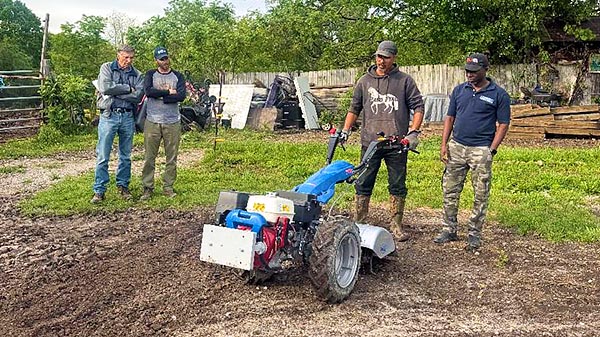
By Sarah Davis
Lincoln University of Missouri expands access to education, workforce preparation and resources through Cooperative Extension programs. LU Extension educators provide agricultural education, career training and professional development to support employment, entrepreneurship, economic stability and stronger communities.
Eleazar Gonzalez, state Extension specialist and head of LU’s Agricultural Economics and Marketing Program, teaches producers about sustainable farming, agribusiness resilience and financial decision-making. Workshops, field demonstrations and farm visits show participants how sustainable practices can improve profitability and help agricultural operations withstand environmental and economic challenges. Farmers learn to create agribusiness plans, establish marketing outlets, analyze costs, set prices, calculate risks and make informed financial decisions. These budgeting and planning skills also prepare participants for careers in finance, management, marketing, logistics and entrepreneurship.
LUCE also provides individualized workforce support. Adrienne A. Hunter-Green, a family and community consumer science program educator, helped teach job skills to older adults through a partnership with the U.S. Department of Labor. Participant Dolores Williams later joined LU’s workforce and remains involved in Extension programming after leaving her position.
At LU’s St. Louis Urban Impact Center, educators trained government employees in Microsoft Excel to help them meet changing workplace expectations. The center’s On My Own Workforce Development Program also provided approximately 11 young people with HiSET preparation, life-skills instruction, digital literacy, résumé development and job-readiness training. Three participants earned HiSET credentials in May 2026.
Through accessible education and partnerships, LUCE equips Missourians with practical skills, confidence and connections while expanding workforce capacity and promoting prosperity across the state.
Extension summer interns at N.C. A&T recognized, reflect on 11-week journey
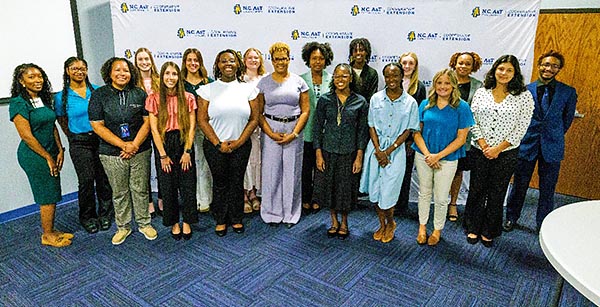
From 4-H STEM to urban gardening and livestock, 16 student interns from North Carolina A&T and universities across North Carolina took an 11-week dive into the offices of Cooperative Extension.
“I still remember our first day of onboarding,” Shameca Battle, Ed.D., eastern regional director for Extension, told the interns. “Despite those first-day jitters, you were ready to embrace every challenge that came your way. You have experienced first-hand the important work that Cooperative Extension performs for this community.”
The interns were recognized with a ceremony on July 24 at N.C. A&T, where they each gave presentations about their work and the lasting impacts of working alongside Extension agents, 4-H youth and community members.
Caleb Winstead, a sophomore animal science major in N.C. A&T’s College of Agriculture and Environmental Sciences, helped create a five-course summer curriculum in Wilson County with activities such as a textile burn test, a scavenger hunt and testing students’ knowledge on native vs. invasive insects.
“My project objective was to get more Black youth involved in agriculture or to help create more Black agribusiness owners,” said Winstead.
Guest speaker John Green, Ph.D., director and professor emeritus at Mississippi State University’s Southern Rural Development Center, told the interns their involvement within the program is part of the “greater plan” of Extension on a national level.
“To think about the opportunities for career pathways, this internship experience will hopefully have helped you continue your education and careers, but it really is a wonderful way to find out what you’re interested in,” said Green.
Internship program concludes transformative summer of learning
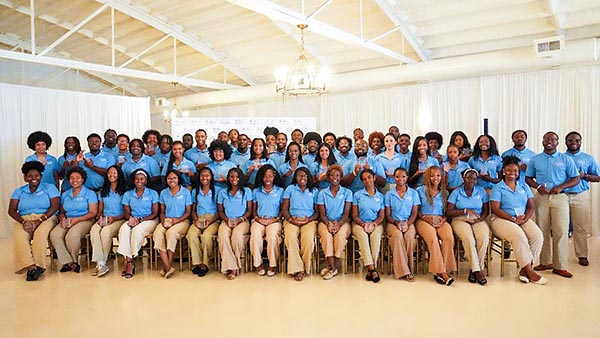
South Carolina State Public Service & Agriculture concluded its 2026 Summer Internship Program, marking a summer of transformative learning, personal growth and hands-on experience for 56 student interns.
Throughout the program, interns worked alongside SC State PSA staff, researchers and Extension specialists across research, Extension and support programs. From field research and community engagement to administrative leadership, students applied their talents to real-world challenges and gained firsthand insight into the work serving communities across South Carolina.
“Our summer internship program aims to do more than just develop technical skills; it motivates students to see the real impact of their work on South Carolina communities,” said Sydney Keith, state program leader for education, innovation and support. “Their dedication this summer gives us great confidence in the future of our workforce and our state.”
SC State PSA recognizes the state program leaders, 1890 research and Extension directors, researchers and staff who invested their time in guiding this year’s cohort and congratulates the 1890 interns on an outstanding summer of achievement. For more information, contact Keith at sreid2@scsu.edu or 803-378-3208.
Empowering Louisiana communities through workforce development initiatives
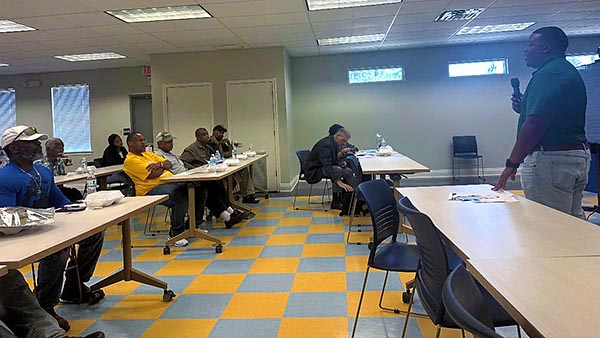
By Dr. Krystle J. Allen, Community and Economic Development Specialist at the SU Ag Center
Workforce development is more than preparing individuals for jobs; it is about equipping people, businesses and communities with the skills, knowledge and resources needed to thrive in a changing economy.
Through the Southern University Agricultural Research and Extension Center, workforce development is embedded throughout community and economic development programming. From entrepreneurship and small-business development to digital literacy, grant writing, nonprofit capacity building and agricultural business support, these initiatives help Louisiana residents strengthen both professional and economic opportunities.
Programs such as Grant Writing Basics and Nonprofit 101 provide participants with practical skills in proposal development, organizational management, governance, budgeting and resource development. Digital literacy programming addresses another critical workforce need by helping participants build confidence using technology, email, virtual platforms, online resources and other essential tools in today’s workplace.
Entrepreneurship is also an important part of workforce development. Through GROW LA and other technical assistance efforts, farmers and small-business owners receive guidance designed to strengthen business operations, improve access to resources and support long-term sustainability. For agricultural producers, this reinforces a simple but important message: every farm is a business.
Rural community initiatives such as PROPEL further strengthen the workforce ecosystem through strategic planning, community engagement, asset identification and capacity building.
Together, these efforts demonstrate a comprehensive approach to workforce development — one that develops people while strengthening the organizations, businesses and communities around them. By investing in skills, entrepreneurship, technology and local capacity, Extension helps create stronger pathways to economic mobility and more resilient Louisiana communities.
Helping communities thrive through workforce development
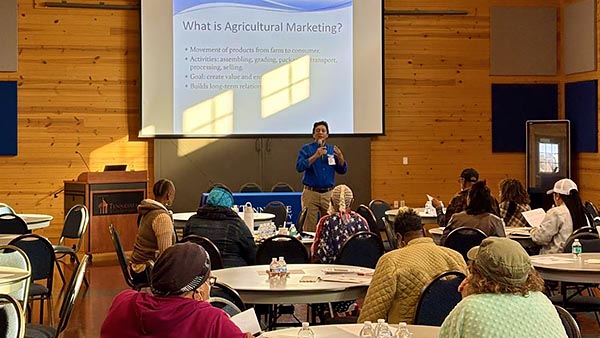
A strong workforce is the foundation of thriving communities. Workforce development goes beyond helping individuals find jobs; it equips people with the knowledge, technical skills and confidence needed to succeed in an evolving economy while supporting local businesses and industries.
Effective workforce development begins with education and continues through hands-on training, professional development and lifelong learning. Partnerships among universities, Extension programs, community organizations, employers and government agencies play an important role in preparing individuals for current and future workforce needs. These collaborations help close skill gaps, improve employability and create pathways to meaningful careers.
Financial literacy is an important, yet often overlooked, component of workforce development. Strong financial management skills help entrepreneurs, farmers and small-business owners make informed decisions, manage risk, improve cash flow and build sustainable operations. These skills are especially valuable in rural communities, where small businesses and agricultural enterprises play a vital role in local economies and employment.
Tennessee State University Extension supports workforce development by providing educational programs that strengthen financial literacy and business management skills among farmers, entrepreneurs and rural business owners. Through workshops, educational resources and one-on-one technical assistance, participants gain practical knowledge in budgeting, recordkeeping, financial planning and business decision-making. By helping rural businesses become more financially resilient, these efforts contribute to business retention, job creation and stronger local economies, ultimately empowering communities to grow and prosper.
Tuskegee University empowers Next-Gen agricultural leaders
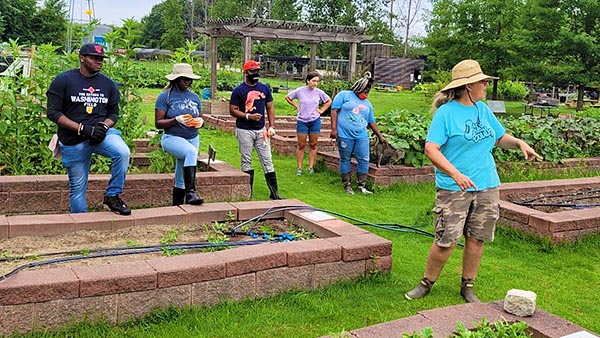
For 14 years, the Future Farmers and Agricultural Specialists (2FAS) Program, operated by Tuskegee University’s Carver Integrative Sustainability Center, has provided hands-on experience in agriculture, sustainability and Cooperative Extension-related careers to high school, undergraduate and graduate-level students.
A cornerstone of this initiative is the 2FAS Summer Experience Internship, a paid workforce development and career-readiness program. The SEI allows interns to engage directly with sector professionals to gain firsthand experience in agriculture, sustainability, workforce development and community outreach. Placed alongside farmers, agricultural specialists, Cooperative Extension agents and community-based organizations, students acquire practical knowledge of sustainable agricultural practices, master current industry techniques and build essential professional skills.
Throughout its 14-year history, the SEI has hosted more than 270 interns across two primary tracks: High School Summer Agents and Undergraduate Summer Interns. The initiative continues to expand rapidly. In 2025, the program welcomed 45 summer interns. That momentum carried into 2026, with participation climbing to 58 interns, including 14 students joining from universities other than Tuskegee.
Expanding opportunities with the CISC-INFAS HBCU Fellowship Program
In addition to the summer internship, the Tuskegee University Cooperative Extension Program, via the CISC, partners with the Inter-Institutional Network for Food, Agriculture and Sustainability at the University of California, Davis. Together, they operate the CISC-INFAS HBCU Fellowship Program, which expands opportunities for underrepresented graduate students at historically Black colleges and universities. The CHFP supports graduate students in agriculture, natural resources, food systems and related disciplines through financial stipends, dedicated mentorship and targeted professional development.
UAPB hosts 2026 1890 Center of Excellence Student Success and Workforce Development Symposium
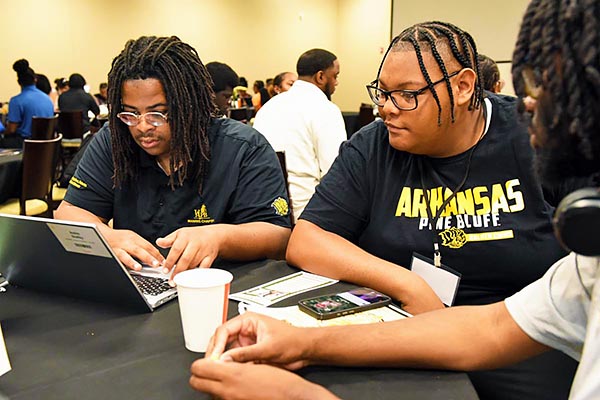
The University of Arkansas at Pine Bluff’s School of Agriculture, Fisheries and Human Sciences recently hosted the 2026 1890 Center of Excellence Student Success and Workforce Development Symposium. The four-day event brought together students, faculty, administrators and stakeholders from 1890 Land-grant Universities nationwide to promote academic excellence, leadership and workforce development.
Centered on the theme, “Enhancing, Advancing and Promoting Academic Excellence, Student Success and Workforce Development at 1890 Land-grant Institutions,” the symposium featured professional development workshops, networking opportunities, student research presentations and experiential learning activities.
“It was impactful, meaningful and not just another gathering,” said Dr. Nina Lyon-Bennett, assistant dean for academics and symposium facilitator. “The goal of bringing together faculty, students, community partners and workforce stakeholders for four days was achieved.”
Participants attended leadership and career readiness sessions led by university administrators and industry professionals, including Frank D. Dorsey II, UAPB dean of student involvement and leadership, who encouraged students to view leadership as a journey rather than a title.
Students presented research on agricultural innovation and food security and competed in research poster and case study competitions. They also toured P.J. Haynie's Rice Mill and UAPB's laboratories and farms, including the 890-acre Lonoke Farm, where research and cutting-edge production technologies are demonstrated.
The symposium concluded with a student case study challenge addressing housing and food insecurity at historically Black colleges and universities. The event strengthened partnerships among 1890 Land-grant Universities while providing students with opportunities to build leadership skills, expand professional networks and prepare for careers in agriculture and related fields.
UMES shapes agricultural workforce development with USDA grant
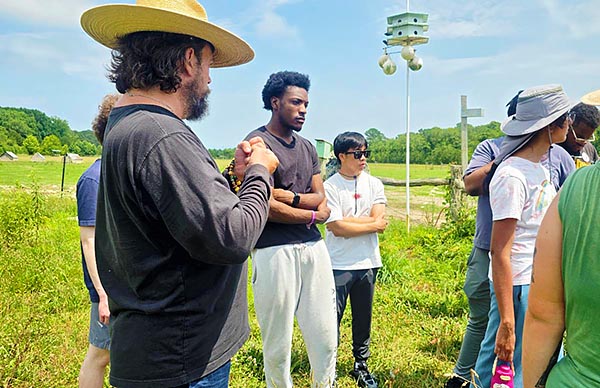
The University of Maryland Eastern Shore contributes to workforce development in agriculture and related fields through its Research and Extension Experiences for Undergraduates. UMES’ project director, Dr. Victoria Volkis, recently received a $750,000 grant award through the U.S. Department of Agriculture’s National Institute of Food and Agriculture to fund the program for the next five years.
REEU is part of the Agriculture and Food Research Initiative Education and Workforce Development competitive grants program. The focus is on “developing the next generation of research, education and Extension professionals in the food and agricultural sciences.”
“In its new format, the program is now year-round and combines online education, hands-on experiences during the summer and activities correlated with other programs. The goal is to build a vertically organized learning community,” Volkis, professor of chemistry, said. Previously, REEU was conducted through summer internships.
Participants attend online meetings for scientific acumen during the academic year, followed by a 10-week hybrid summer experience that includes active experiential research in interdisciplinary teams, meetings, theoretical and practical workshops, farming facility visits and professional development activities, led by graduate students, faculty, Extension specialists and area farmers.
This summer at UMES, REEU student interns visited a hemp processing facility; biodynamic and medicinal herb farms; UMES’ Research, Extension and Teaching Farm; and the Wye Research and Education Center in Queenstown, Maryland.
The project “Building the Multi-Level Community of Motivated Learners to Advance STEM in Agriculture” is among 13 projects supported by the USDA NIFA 2026-2031 grant cycle totaling $8.8 million in awards.
VSU's new Business on the Grow program helps small Virginia businesses start, strengthen, succeed

Dr. Arifah Goodwin joined the Virginia Cooperative Extension team at Virginia State University last fall as a community resource development Extension specialist. She has stepped into her role with energy and a commitment to advancing community viability, placing special emphasis on entrepreneurship, workforce readiness and small-business sustainability. She has multiple programs and initiatives in the works to help solve pressing challenges facing communities today.
"The experience has been both rewarding and energizing," she says. "The collaborative spirit, commitment to service and deep community roots of VSU-CE have made this a wonderful professional home." Her focus area is community viability, and she cites adapting to rapid technological change while remaining competitive and resilient as one of the biggest challenges that communities face today.
To this end, Goodwin developed Business on the Grow, a small-business empowerment program designed to help entrepreneurs connect with business development resources, technical assistance and educational opportunities, and teach them how to use artificial intelligence effectively and responsibly within enterprises.
Goodwin will begin training Extension agents this fall through an all-new virtual training, so agents can provide one-on-one guidance to small-business owners and connect them with needed resources. With step-by-step walkthroughs, suggested scripts for agents and a comprehensive exploration of resources and AI tools for small-business owners, the Business on the Grow training will empower agents across Virginia to help small businesses along their growth pathway.
West Virginia State University names new Economic Development Center director

West Virginia State University Extension Service has named a new director of its Economic Development Center, located in downtown Charleston, the state’s capital city. Shanté Ellis brings an extensive background in education and community engagement to the position.
“I plan to focus on making the EDC a resource for small businesses, entrepreneurs and community members by strengthening partnerships, increasing outreach and providing training and support for business development,” said Ellis. “It has a strong foundation, and by building on existing resources, we hope to provide even greater value to the wider community.”
The WVSU EDC provides comprehensive business and entrepreneurship training, office space leasing and robust support for small-business startups. The multifaceted facility goes beyond traditional offerings, incorporating versatile spaces for training sessions, meetings and office leasing.
Priorities for Ellis in her new role include expanding training programs, developing mentorship opportunities and introducing new initiatives, such as educational programming for children, technology instruction for seniors and a podcast highlighting the work of WVSU Extension Service and area entrepreneurs.
For more information about the WVSU EDC and upcoming programs, contact Ellis at shante.ellis@wvstateu.edu or 304-720-1407.